

Someone Stole Your Photo Online: Here's Exactly What to Do in 2026
You're scrolling through Instagram and suddenly see your photo — on someone else's account. No credit. No permission. Maybe they're selling prints of your work, or worse, using your selfie to catfish strangers on a dating app.
That sinking feeling in your stomach? It's the same one experienced by millions of people every year whose images are stolen, repurposed, and monetized without a shred of consent. And here's what most people don't realize: every minute you wait, the stolen content spreads further. Screenshots get saved. Reposts multiply. The digital footprint deepens.
But here's what else most people don't know: you have real legal tools at your disposal, and you don't need a law degree to use them.
Step 1: Document Everything Before You Do Anything Else
Before you fire off an angry message or report the account, stop. Your first move should be evidence preservation. Take screenshots that capture the URL, the date, the username, and the stolen content clearly visible. If you're on a desktop, save the full page. On mobile, screen-record scrolling through the post.
Why does this matter? Because if the infringer deletes the content after you confront them, you'll have no proof it ever existed. Courts and platforms both require evidence, and screenshots with timestamps are your best friend.
Pro tip: email the screenshots to yourself. This creates an independent timestamp in your email provider's servers — a lightweight but surprisingly effective form of evidence timestamping.
Step 2: Determine What Type of Content Was Stolen
Not all image theft is the same, and the response depends on the type. Is this a photograph you took? That's copyright infringement — you automatically own the copyright to photos you take the moment you press the shutter button. Is someone using your likeness (a photo of your face) to impersonate you? That's an identity/personality rights violation. Is the image intimate or sexual in nature? That triggers additional protections under revenge porn laws and the new federal TAKE IT DOWN Act.
Each category has different legal mechanisms, different platform reporting forms, and different urgency levels. A stolen landscape photo is frustrating. A stolen intimate image is an emergency. Know which lane you're in before you act.
Step 3: Use Platform Reporting — But Don't Stop There
Every major platform has a copyright or intellectual property reporting mechanism. Instagram, Facebook, TikTok, X (Twitter), Pinterest, YouTube — they're all required to have one under the DMCA's safe harbor provisions. Use it. File the report with as much detail as possible.
But here's the uncomfortable truth: platform reporting alone has a mediocre success rate. According to data from 2025, the average response time for platform IP reports ranges from 3 to 21 days, and many reports are denied on the first attempt due to incomplete information or vague descriptions.
Platform reporting should be step one, not your only step. Think of it as a parallel track running alongside your legal notices.
Tired of navigating this alone? Let Pypo's AI agent handle it.
Step 4: File a DMCA Takedown Notice
The Digital Millennium Copyright Act gives copyright holders the power to demand removal of infringing content from any platform operating in the United States — and that includes virtually every major social media and hosting company on Earth.
A proper DMCA takedown notice must include: identification of the copyrighted work, the specific URL where the infringement appears, a statement of good faith belief that the use is unauthorized, a statement under penalty of perjury that you are the rights holder, your contact information, and your physical or electronic signature.
Google alone processed over 5 billion DMCA takedown requests in 2025, up from 3.5 billion in 2024. That's roughly 14 million per day. The system works — but only if your notice is properly formatted. A poorly written DMCA notice gets ignored. A properly formatted one triggers mandatory action within the platform's legal obligations.
This is exactly where most people get stuck. They know they need to send something, but they don't know the exact legal language required. One wrong phrase and the notice gets rejected.
Step 5: Escalate If the Platform Doesn't Respond
If a platform ignores your DMCA notice or denies it without valid reason, you have escalation options. You can file a complaint with the platform's designated agent (listed in the US Copyright Office's directory). You can submit a Google Search removal request to de-index the infringing page from search results — even if the original hosting platform won't cooperate.
In the EU, GDPR provides additional leverage through the Right to Erasure (Article 17), which can force data controllers to remove personal images even beyond traditional copyright grounds.
And if the content involves intimate imagery, the TAKE IT DOWN Act (signed into federal law in May 2025) now requires platforms to remove non-consensual intimate images within 48 hours of a valid request. Failure to comply can result in FTC enforcement action.
Step 6: Monitor for Re-uploads
Here's the part nobody tells you: taking down one instance of a stolen image doesn't prevent re-uploads. The same person — or others who saved it — can repost it tomorrow on a different platform, a different account, or a different website.
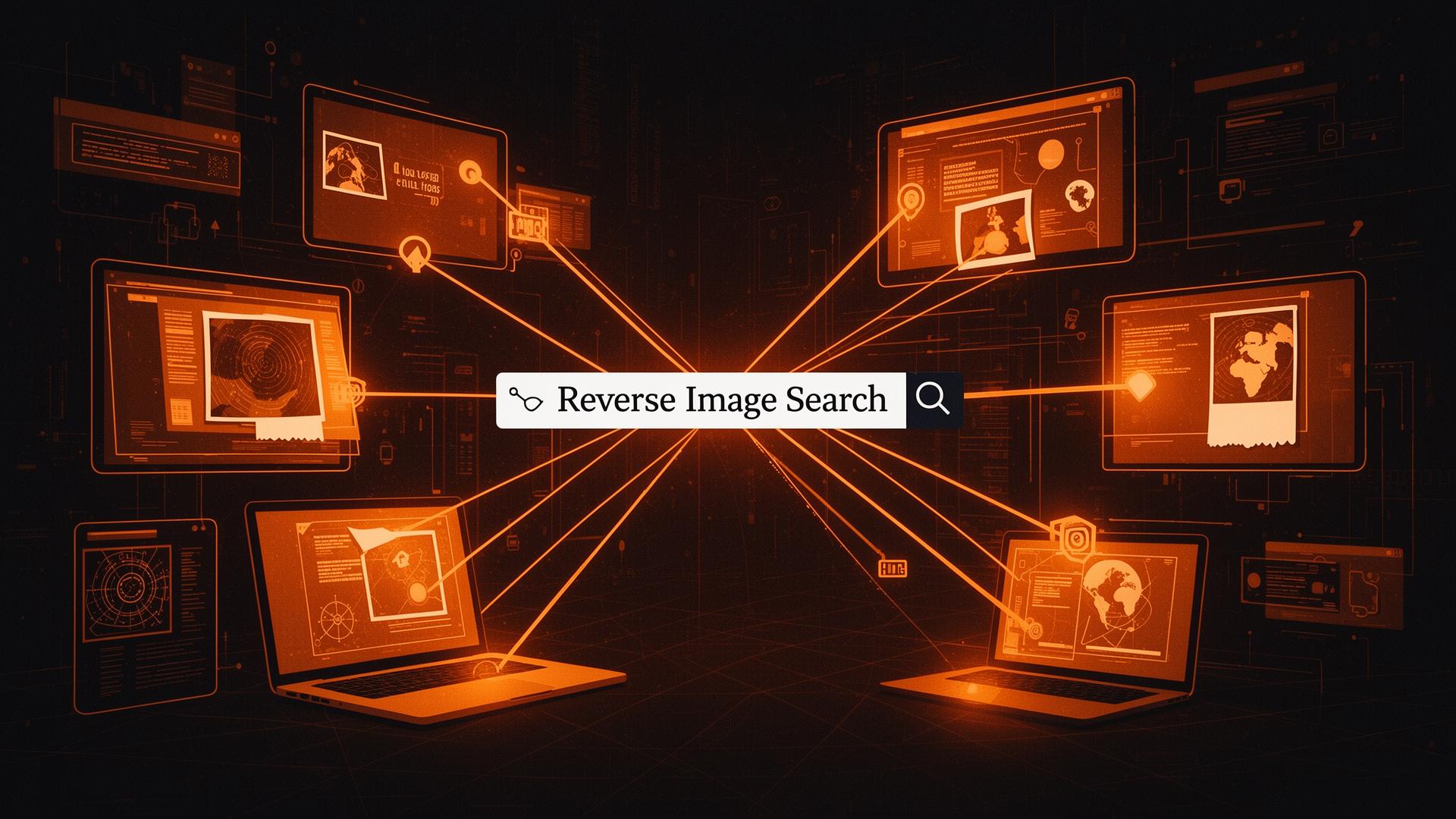
Ongoing monitoring is the only way to stay ahead of this cycle. Reverse image search tools can scan the web for copies of your images, alerting you when new instances appear. This transforms your defense from reactive ("someone told me my photo was stolen") to proactive ("I was notified within hours of a new unauthorized use").
The digital rights landscape is tilting in favor of individuals for the first time in internet history. The legal tools exist. The technology exists. What's been missing is accessibility — the ability for a non-lawyer to assemble a proper legal notice, send it to the right place, and follow up systematically. That's changing.
Ready to Put Your AI Agent to Work?
Pypo's AI agent builds your legal takedown notice in under 5 minutes — free to start.
Sources & References
- U.S. Copyright Office, 'Copyright Basics' — Circular 1
- Google Transparency Report: Copyright Removal Requests
- 17 U.S.C. § 512 — DMCA Safe Harbor and Takedown Provisions
- GDPR Article 17: Right to Erasure ('Right to be Forgotten')
- TAKE IT DOWN Act — S.146 (119th Congress, signed May 2025)
- National Center for Missing & Exploited Children (NCMEC) — Take It Down Program
Disclaimer: This article is for informational and educational purposes only and does not constitute legal advice. Pypo is not a law firm. For specific legal matters, consult a qualified attorney in your jurisdiction.